
I have just returned from a week in Tennessee, spending time with family and hiking throughout the Smoky Mountains.
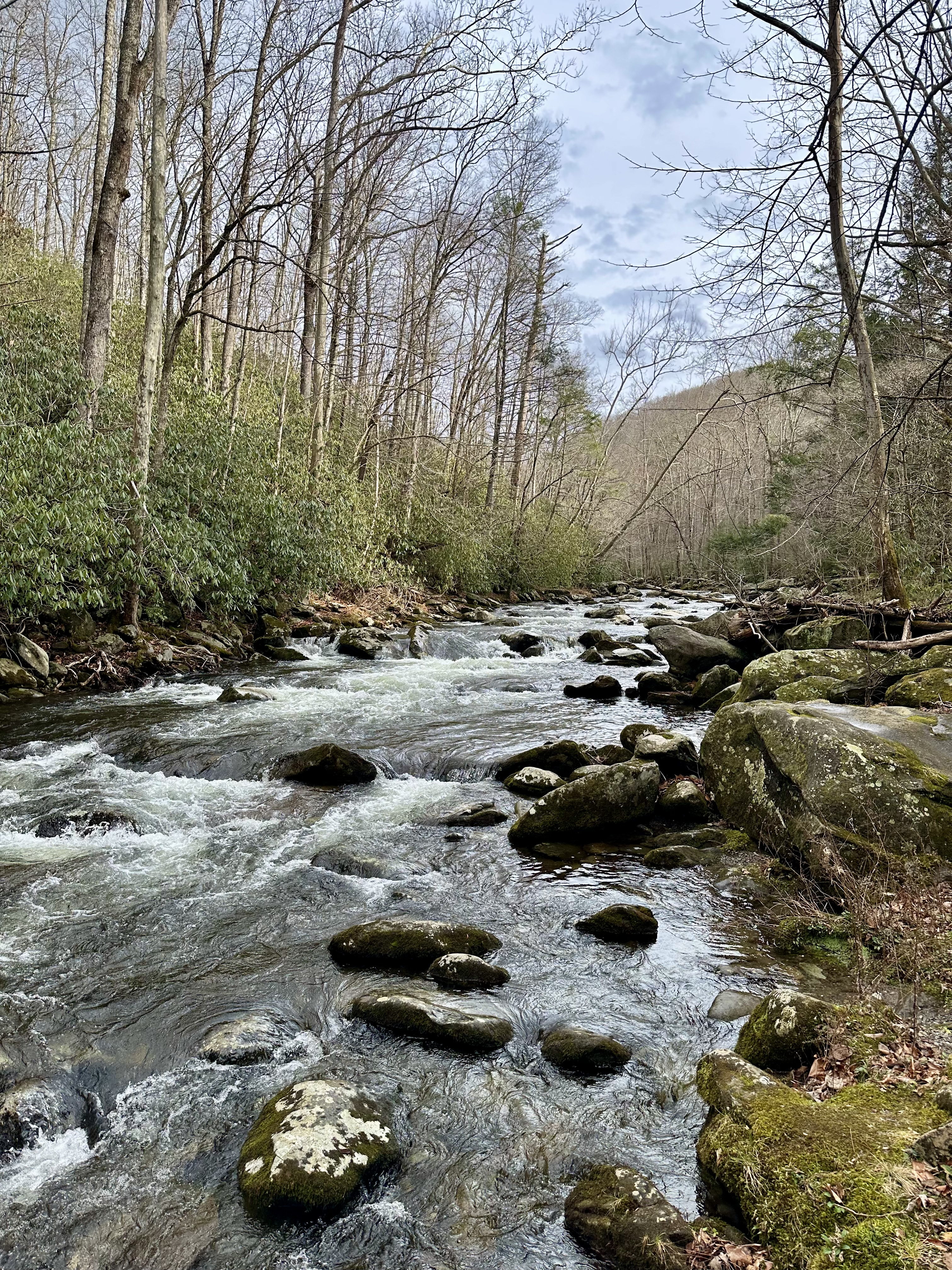

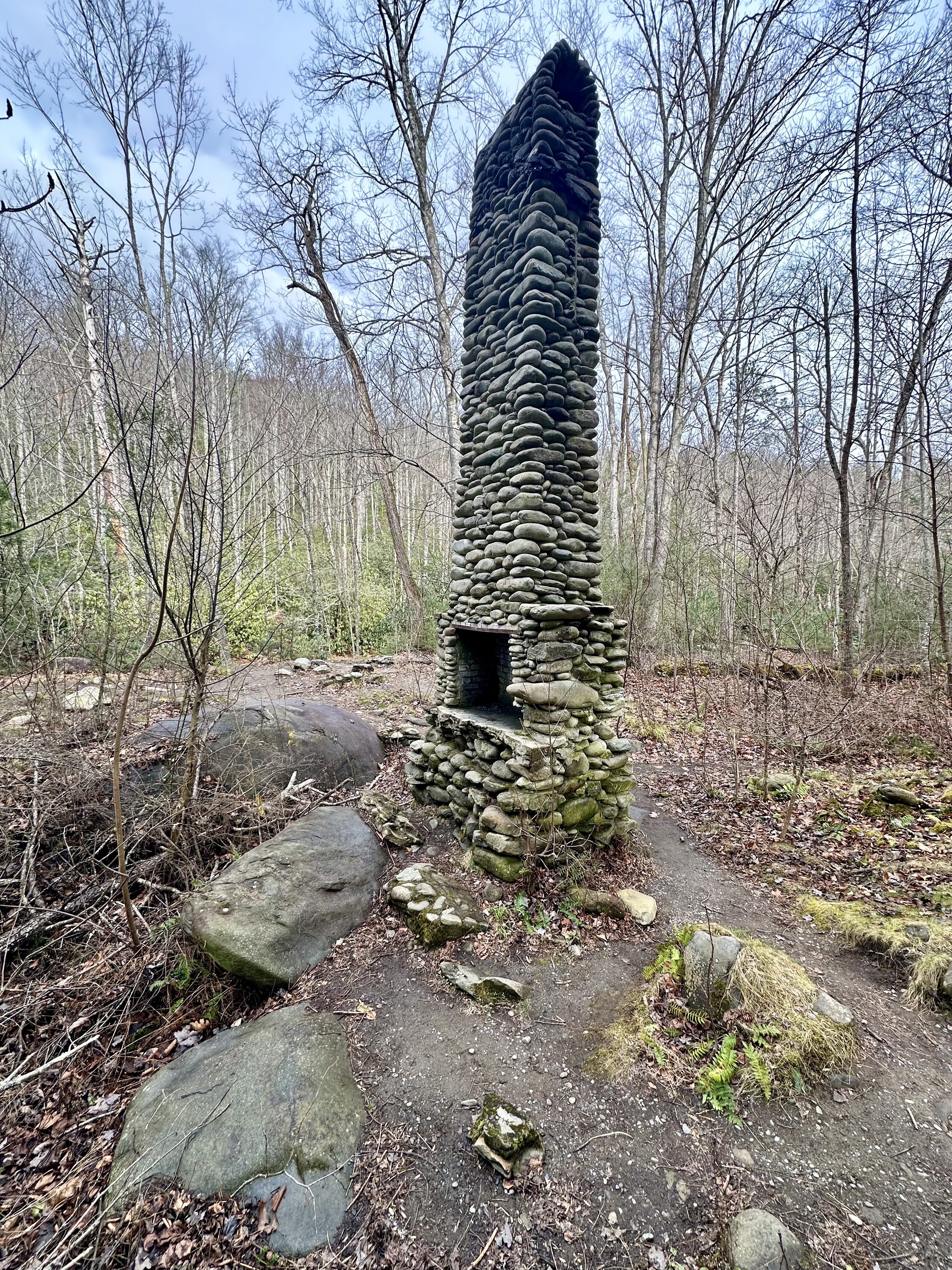
There are so many things to enjoy about hiking…the fresh air, beautiful views, deep forest or water cascade sounds… But one thing that continues to impress me in all places that I have hiked, is that people hiked here and lived here for generations. Hiked and lived here before the invention of planes, trains, and automobiles! What took us a 30 minute drive and 2 hour hike over difficult terrain to see would have taken weeks to get to and years to carve out the path to get there.
We often think of exercise, functional movement, and working out as a contemporary activity…something used as an antidote to our sedentary lifestyle and expanding waistlines. But movement is inherent in being human. It was once our means to obtain food, provide shelter, and connect with others. Today, we can do all of those things from the comfort of the couch. But when we do not get regular movement, we start to lose one of the cornerstones of being human. How lucky are we that movement a choice and reserved for exploring new places, lifting heavy objects in a safe and controlled environment, or connecting with others over a game of basketball.
B.K.S. Iyengar was quoted in saying that when the legs are working, the mind is calm. And when the legs are calm, the mind is anxious. Scientific evidence supports this claim. Recently published research from December 2024 from the highly esteemed Nature Communications journal shows that the mitochondrial function in the quadriceps (known to improve with regular exercise and movement) is associated with the changes in brain structure over a decade in older adults. Essentially older adults with better mitochondrial function in their legs had less of a decrease in brain size over 10 years, whereas adults with worse mitochondrial function in their legs and faster declines in brain size over 10 years:
https://www.nature.com/articles/s41467-024-55009-z
I will not go into all of the advanced imaging and analysis techniques that were used to obtain these data (which is quite impressive). In biomedical research, this is a hugely important finding and helps us understand more about how the brain changes with age. What I am also interested in is how the ancient and contemporary yogis have this inherent wisdom about the brain that science is slowly, slowly unraveling.
 Wellness within
Leave a comment